the azure jay is a large, blue corvid native to a small range in south america. mainly feeding on the seeds of the auracaria tree, the jays are omnivores and will opportunistically take fruit, eggs, and insects. while similar to several other species, their size and black head and throat are ways to distinguish them. like other corvids, azure jays are social flock birds that are known for intelligence and problem-solving behaviors.
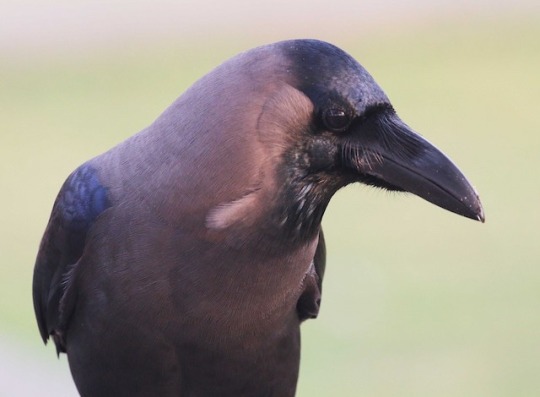
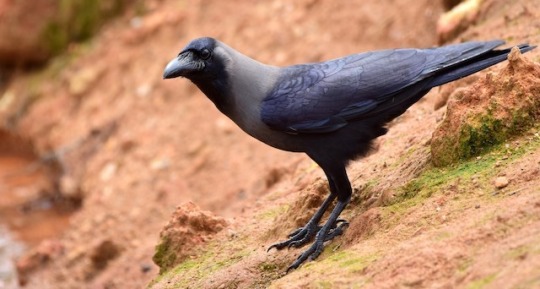
the house crow is a medium-sized crow that is native to asia, but has introduced populations throughout the world. the house crow’s neck and chest are grayish-brown, the shade varying based on location. like other crows, house crows are omnivores and opportunistically feed on small animals, human scraps, and insects.
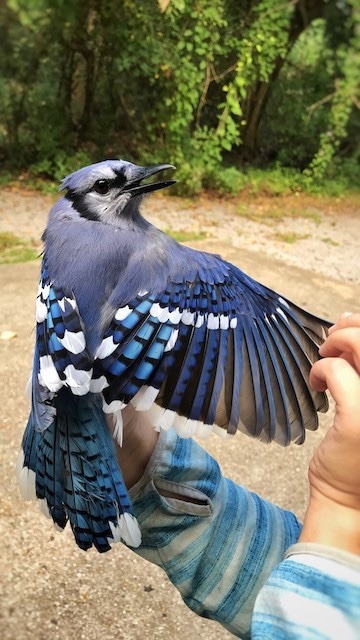
Blue Jays playing in the snow. At the end of the day, the yard was all white, but it had gotten so cold that my battery stopped working. I need to work on that for tomorrow. there were even two male Cardinals here today!
Both the American crow and the common raven (Corvus corax) are widespread, highly adaptable, and have loud and distinctive calls. Their conspicuous and ubiquitous nature made them two of the most commonly identified species in cemeteries, graveyards, and other areas associated with death and despair.
Unfortunately, the specter of death seems to have caught up to the crows – since 1999, the population of crows has dropped by over 45%, thanks to West Nile Virus. Despite the adaptability of the birds, they’re very susceptible to many avian diseases. As such, they’re considered a bioindicator (or sentinel) species – when they start dying in larger numbers, it indicates the presence of WNV or another avian disease in the area, and other birds will probably start dying soon.
The living animals of the world. C. J. Cornish, 1902.
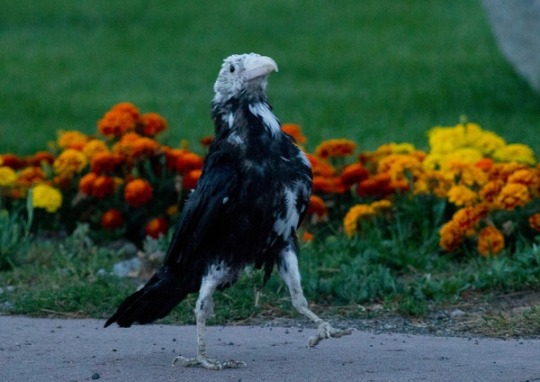
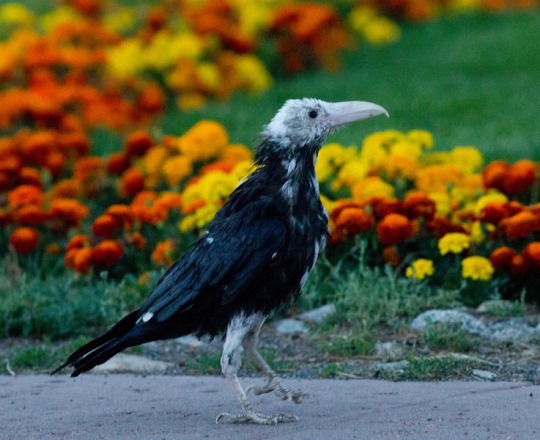
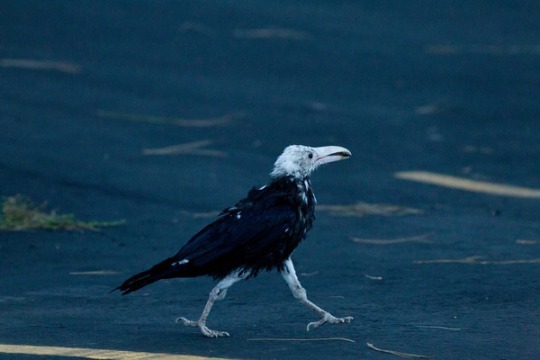
The bird in the photo seems like it might be a fledgling, given the light eye, fleshy gape, shortish tail, and raggedy feathers.







 Urocyon's Jaunts 2.0
You must be logged in to post a comment.