“On 27 April 1994 Kwanele Siziba, a 27-year-old Zimbabwean woman, with a fractured wrist, fell 12 floors to her death in East London after trying to climb down to the flat below from a balcony. She was afraid immigration officials had called at her sister’s flat where she was staying-in fact it had been a bailiff accompanied by two police officers. She had been very frightened after the death of Joy Gardner and wanted to go back to Zimbabwe. She kept saying ‘If the police find me I don’t want to die’. The bailiff was employed by the Lord Chancellor’s Department to collect a debt. He admitted that he had threatened to break the door down if it was not opened. He was questioned at the inquest on the existence of a code of conduct and admitted that he had issued the threat despite having no legal authority to do so. He expressed no regret. He defended his threat to kick the door in despite the fact that he knew there was no other exit from the flat. The bailiff had clearly acted beyond his powers. He had already retired from his job and there was no possibility of disciplinary action being taken against him. The family was left with no redress. The coroner noted, in summing up, that Ms Siziba’s fear of the immigration service caused by the deaths of Joy Gardner and Omasase Lumumba had contributed to the action she had taken and which had led to her death. He expressed regret at her death and delivered a verdict of misadventure.”
— Black Women’s Experiences of Criminal Justice: Race, Gender and Class: A Discourse on Disadvantage; Ruth Chigwada-Bailey (via blackbritishreader)
Doctors are less likely to believe black women are in pain-and that can have fatal consequences, particularly for disabled black women and their newborns.
A First Nations woman who was hit by a trailer hitch, thrown from a passing car in Thunder Bay, Ont., last January, has died.
Barbara Kentner, 34, required surgery after being hit in the abdomen by the trailer hitch on Jan. 29. She was released from hospital in time to take part in a walk in her honour on Feb. 5, but later returned to medical care.
Her sister, Melissa Kentner told CBC News in March that Barbara would not recover from her injuries. Melissa posted on Facebook early Tuesday that Barbara had died. She and other family members confirmed the death with CBC News.
The passenger in the car yelled, “Oh, I got one,” after throwing the hitch at the sisters who were walking on McKenzie Street between Dease and Cameron streets, Melissa Kentner told CBC News in February.
The internal damage when Kentner was hit in the kidneys by the hitch was irreparable and proved fatal, her sister said.
An 18-year-old man was charged with aggravated assault relating to the incident. Thunder Bay police told CBC News they are looking into whether the charges will be changed, in light of Kentner’s death.
Barbara was a member of Waabigon Saaga’igan Anishinaabeg (Wabigoon Lake Ojibway Nation). She had a beautiful anishinaabe daughter who is 16 years old. Her name is Serena. They both endured violence and racism. Barbara was murdered. No other word can soften what happened to her. I hope her journey to the spirit world is safe. Justice for Barbara. No more stolen sisters.
(Last updated: July 4, 2017 But, worth bringing back.)
Holbrook is in Navajo County & has NOTHING to do with Sheriff Arpiao, they’re out of district. The police officer panicked & was quick to shoot & he should’ve used another form of restraint. RIP Loreal T💖
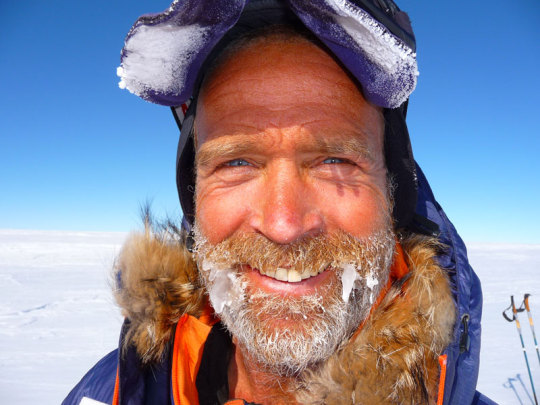
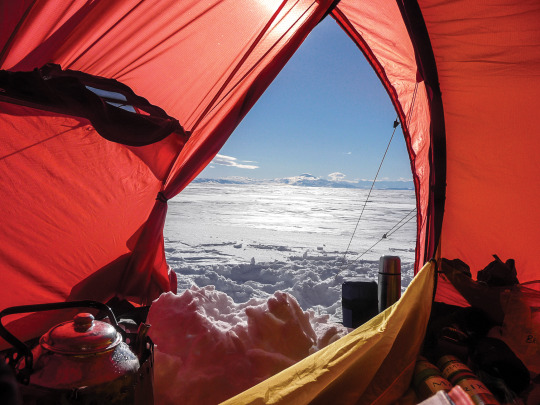
The man felt like a speck in the frozen nothingness. Every direction he turned, he could see ice stretching to the edge of the Earth: white ice and blue ice. There were no living creatures in sight. Not a bear or even a bird. Nothing but him.
The man, whose name was Henry Worsley, consulted a G.P.S. device to determine precisely where he was. According to his coördinates, he was on the Titan Dome, an ice formation near the South Pole that rises more than ten thousand feet above sea level.
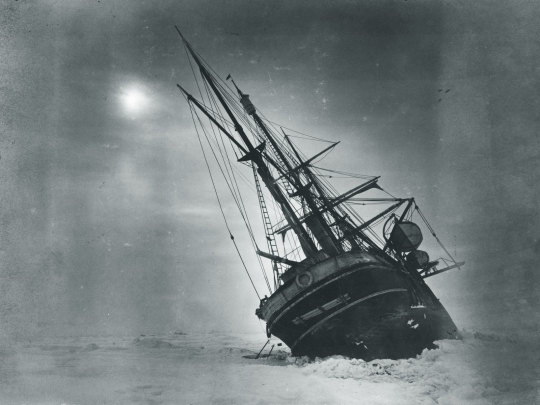
Sixty-two days earlier, on November 13, 2015, he’d set out from the coast of Antarctica, hoping to achieve what his hero, Ernest Shackleton, had failed to do a century earlier: to trek on foot from one side of the continent to the other.
And, whereas Shackleton had been part of a large expedition, Worsley, who was fifty-five, was crossing alone and unsupported. No food caches had been deposited along the route to help Worsley forestall starvation, and he had to haul all his provisions on a sled, without the assistance of dogs or a sail. Nobody had attempted this feat before.



 Urocyon's Jaunts 2.0
You must be logged in to post a comment.