The creature above may resemble a liver that has adapted to life on its own, but it is in fact a uniquely adapted and rarely seen spotted shovelnose frog [Hemisus guttatus], a strange little amphibian that gets along just fine in spite of its preferred habitat of South African dry savannah. These frogs use their pointy snouts and powerful forelimbs to burrow deep into the soil, where they can better retain moisture while awaiting seasonal rains. Image by Scott Ramsay.
a rating of all the frogs in my neighbors’ frog-themed bathroom
very round and good! his face shows an emotion that i can’t quite describe. 10/10
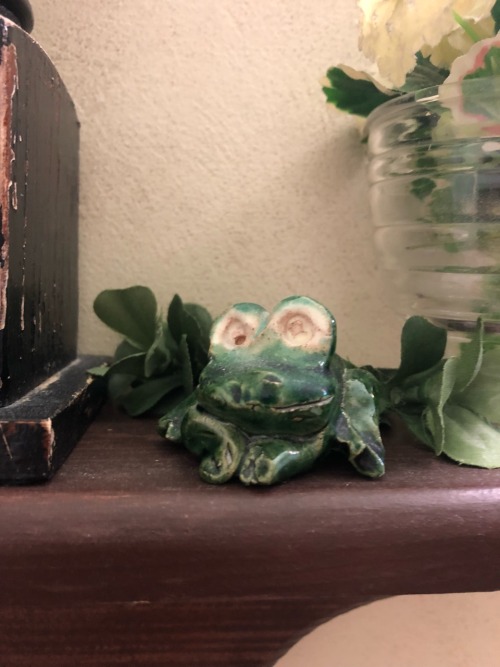
here we have an arts and crafts frog! he has a nice figure but his lack of eyes is unsettling. 6/10
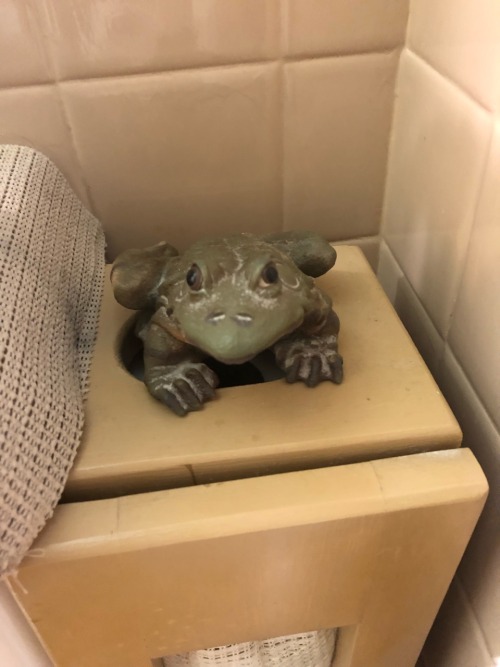
this is a truly excellent frog, he’s going places and he doesn’t care how long it takes. 12/10 for realism.
this frog looks like he’s having a cheeky little giggle at you for being in the bathroom for so long. something about him unsettles me. 2/10
this is the woodchime frog. he watches you smugly. i don’t like how he’s watching me, 5/10 because he’s kinda cute anyway
i hate it. 0/10
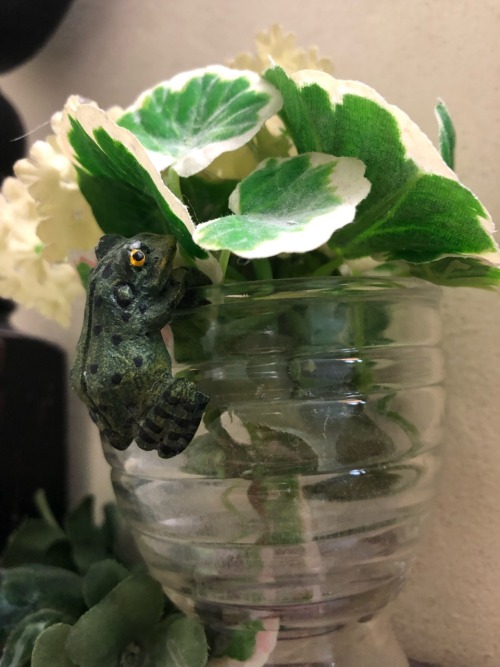
this fellow is perched right next to the toilet. one eye stares directly at your back, while the other looks at the wall. 6/10 good frog shape but still very unsettling
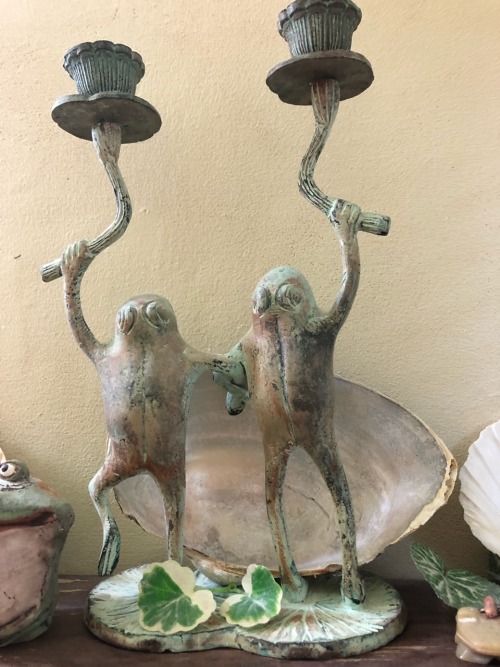
a truly excellent pair of comrades! double frog points 20/10
“For those who are worried: the hole he was hiding in led to the outside so he wasn’t trapped inside! I closed the door after taking these pics to keep him safe.” – robotfur
I’m pretty sure that’s a dragon.
Hello pretty sure that’s a dragon, I’m Dad!
Dad^bot^1.
Star signs will someday symbol your mistakes. | PayPal | Patreon
Beep-boop!
This little chunker is a Wamba sand frog [Tomopterna wambensis], a species named for the Kenyan substrate in which it is most commonly found. Interestingly, little of this frog’s morphology is known. Although they have been observed calling in seasonal wetlands, scientists are still unsure whether their eggs produce tadpoles, or just miniature versions of adult frogs via direct development. Images by Vladimir Trailin.









 Urocyon's Jaunts 2.0
You must be logged in to post a comment.