This is literally just another day on the subway in NYC, like legit you see some real shit when you’re on your way to hangover brunch on sunday and there is still drunk people on the train like it gets wild
Rescuing “Neon Dragons” – Support for Endangered Fiji Iguanas
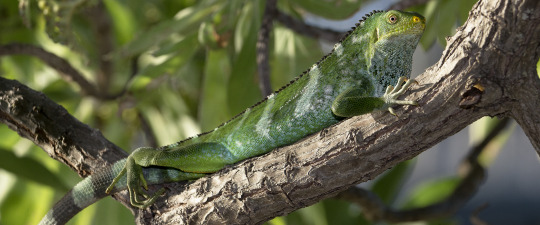
They don’t fly or breathe fire. But brightly colored Fiji iguanas do look like tiny, scaly creatures from a fanciful medieval legend. It’s no wonder one researcher described these endangered iguanas as resembling “neon-colored dragons.”
By Eston Ellis Photography by Tammy Spratt
Unlike storybook dragons, Fiji iguanas
are mellow creatures that have no fear of humans and will sit on an
outstretched hand or atop a shoulder—but they would rather be in a tree.
They spend their days in the canopy of wet and dry forests on the
islands of Fiji, where they enjoy munching on leaves, buds, fruit, and
flowers—especially vau, or tree hibiscus. And they rarely leave the trees, except to lay eggs or seek shelter during a tropical storm.
Despite their fondness for a lush arboreal life, Fiji iguanas’ closest
relatives are the sand-colored desert iguanas found more than 5,500
miles away, in Southern California and Northern Mexico. How iguanas got
to Fiji is anybody’s guess, but many researchers believe they arrived
millions of years ago, before the islands of Fiji broke away from a
larger prehistoric supercontinent.
Found nowhere else but on the islands
of Fiji and Tonga, Fiji iguanas can perfectly balance on leaves and
twigs as they make their way along the forest canopy—and their vivid
green skin color, sometimes accented by white or blue bands, helps them
blend into the surrounding vegetation. But they can’t run or hide from
the increasing threats to their survival, including invasive species
such as feral cats, rats, cane toads, and mongooses.
On some islands,
feral goats are eating the vegetation iguanas feed on. And
deforestation—from agriculture and increasing development—is destroying
much of their remaining habitat. Fiji iguanas are also vulnerable to
poaching for the international exotic pet trade. Smuggling attempts have
ranged from the brazen to the bizarre: one man charged with smuggling
was caught taking iguanas out of Fiji by concealing them inside a hollow
prosthetic leg…
So about 4 days ago my brother was working in the yard and he was getting rid of this big old plastic pot we had that was already falling apart. To fit it in the garbage bag he had to smash it into smaller pieces with a shovel.
But when he dumped out the dirt….
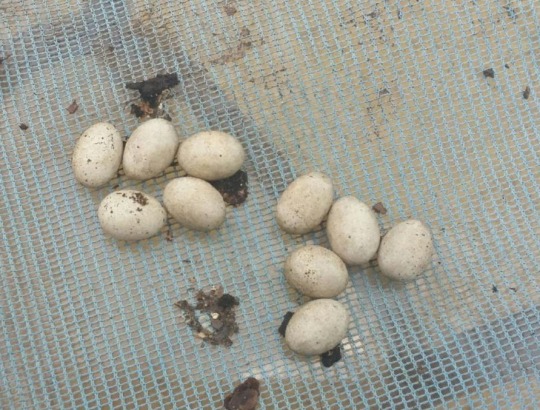
…eggs. Ten little eggs.
My mom brought them in to show me. Not knowing what they were or if they were dangerous or not, she asked me if I wanted to take one and open it up outside to make sure it wasn’t full of baby bugs or something. I told her that they were definitely reptile eggs but she was still giving them the ‘I-still-don’t-trust-that-they-aren’t-bugs’ look.
I knew there was no way it was full of bugs and I wouldn’t be able to get it off my mind if we cut one out and killed it. But then I remembered candling.
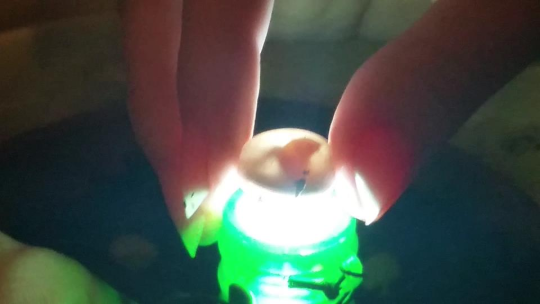
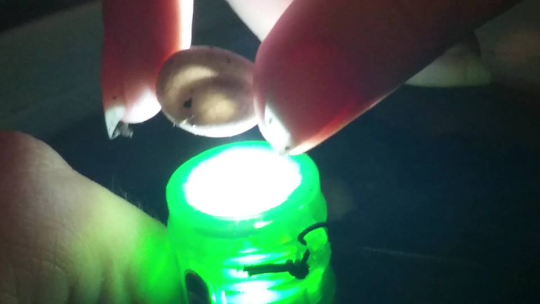
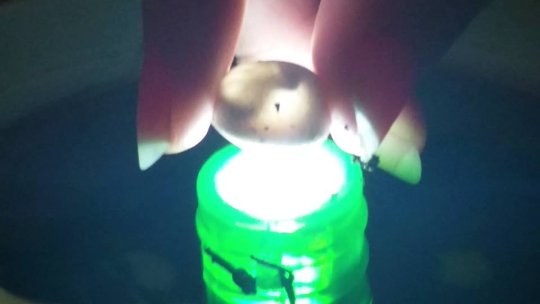
If you don’t know what candling is, it’s when you put a flashlight under an egg to check if it’s fertile or not.
So I told her to hold on and I ran to get a flashlight.
Lo and behold they were not bugs.
It was our first time ever candling anything so we weren’t exactly sure what to look for. The only videos I had ever seen for candling an egg was a video talking about how some geckos lay eggs without a mate but there is a rare chance they could be fertile anyway; the eggs in the video were always empty though. So we checked all the eggs and they were all alive and responsive. I managed to convince my family that I was 99% sure they were lizards of some kind.
Since we kind of accidentally destroyed their nest and a storm was coming we set out to give them somewhere safe to hatch.
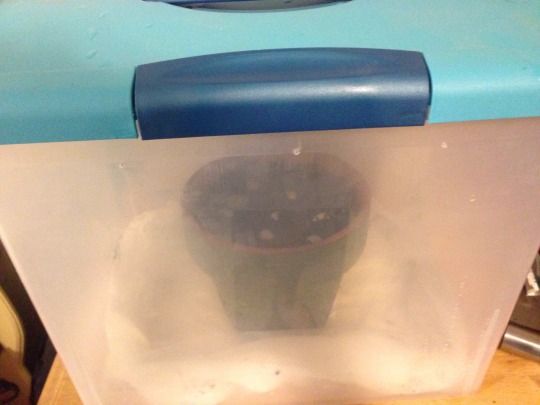
We got a pot and filled it with damp dirt like the one we found them in but smaller. After candling each egg, we made a divot in the dirt and placed each egg half in and half off, careful not to turn them too much and damage them.
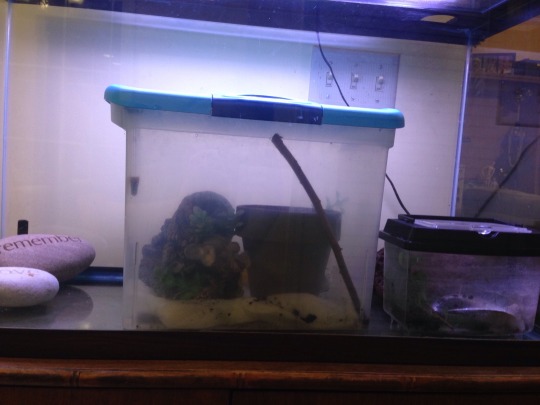
My mom did some research and found that the eggs needed to be kept somewhere with good humidity so we got a plastic book crate, drilled some holes in it, and filled the bottom with wet paper towels.
The mystery eggs were put in the garage where it was just as hot as outside but safe from the huge thunderstorm.
Day 2 of eggs and nothing happened. We didn’t think anything would happen just yet but we were all a little worried that we were doing the wrong thing. It was my day to go finish up cleaning up the dirt and shards from the broken pot in the yard when I found another egg.
I picked it up and it wasn’t as firm as the others. In fact it was leaking. I called my mom and candled the little guy. He was just as alive as the others were. There wasn’t much room in the new incubator with the other eggs so we got a tiny beta fish tank we haven’t used in years and fixed it up for the egg. We put it in the garage next to the others.
Now this egg had me worried. He had been out in the storm with a damaged egg. I would go out and check on him throughout the day. Not a thing happened and I was starting to worry that he didn’t make it.
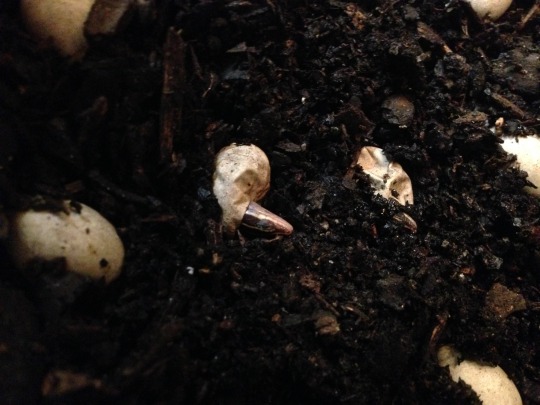
Day 3 of eggs was interesting. I went out to check again on little egg 11 with my mom. She asked how the others were doing and wanted to see. It was fogged up on the inside so I shone a light through and saw it. A head! A little baby lizard head poking out of the egg!
The incubator was taken inside and everyone was gathered around the table. We would all switch from watching the eggs, to someone doing research, to checking the eggs, to setting up the empty tank we had, to checking the eggs again.
All together 4 little lizards were hatching. They’d kick for a bit in their eggs but then fall asleep because it was so tiring.
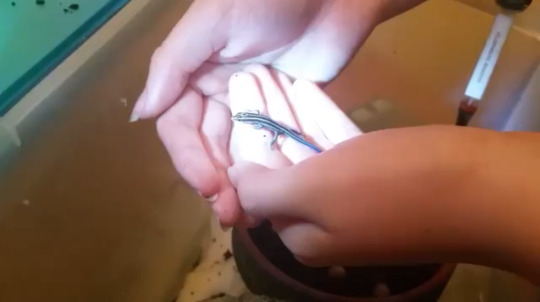
After a while my mom got concerned about one that hadn’t opened its eyes in ages. It wasn’t moving. I picked up the egg and put it in my hand. I rubbed the shell and gently gave it little tugs. Then out the baby came!
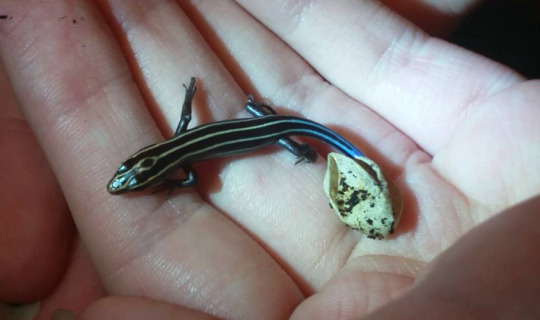
This little guy came out healthy and fast. After a brief look-around he ran out of my hand and back into the pot. Then over the edge of the pot to explore the hides we fit in.
After 4 of the babies fully hatched and we figured out what we were going to do, we put the incubators in the spare tank we had so we could keep an eye on them. At that point it was a little past 1:00am and a 5th egg started to hatch.
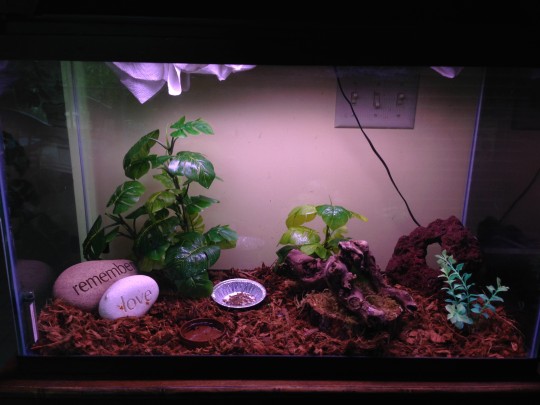
Day 4 of eggs and lizards we went to the local pet store to get something that these super small babies could eat. Luckily, Petco carries super small crickets and meal worms. We loaded up on reptile supplies: bus, vitamin dust, hides, heat lamps, you name it we probably bought it.
Upon getting home my mother and I readied the tank.
At that point all but two eggs had hatched. One we thought wasn’t going to make it because it didn’t react when I candled it, and the other was number 11 who was found a day late and broken. We decided to move the two into one incubator instead of two while we moved 9 of the lizards into their temporary home.
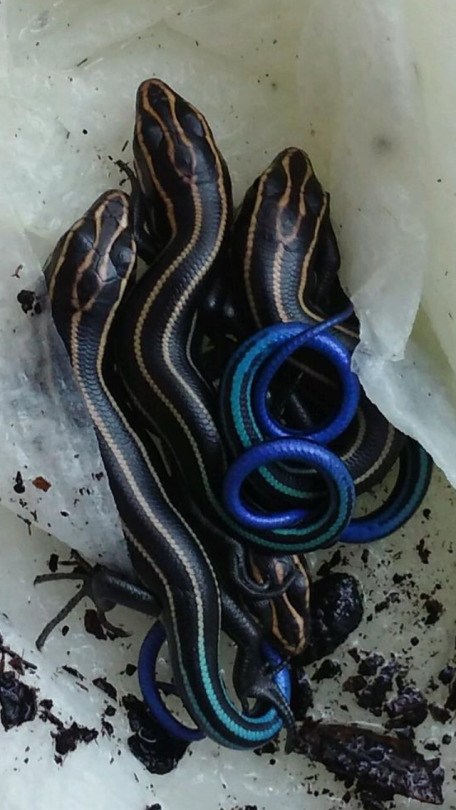
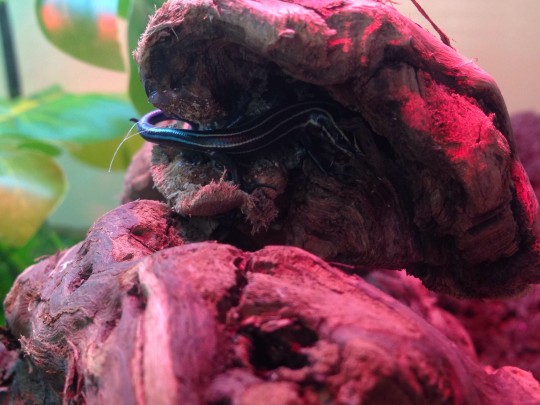
When we look for them they were hiding in the incubator all curled up together under a plant we had put in. They actually seem to do that everywhere they decide to hide which is kind of surprising to me. I thought they were going to all be really territorial with each other. But they seem to like each other more than I thought they would.
After a few hours, number 11 hatched and he was just as healthy and fast as the others despite being through the storm earlier. Not too long after that, the last egg hatched. He was much smaller than the others but equally as fast. We added them both to the tank with the others and they hid as quick as a ninja.
Day 5 of lizards was mostly setting up heat lamps and lights and worrying if they were okay. They stayed hidden under rocks and brush. We never saw them eat so we went back to researching.
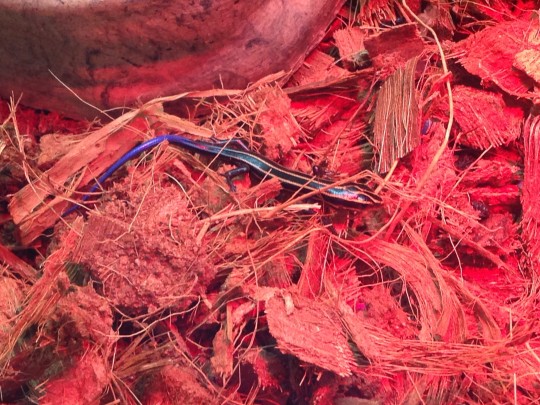
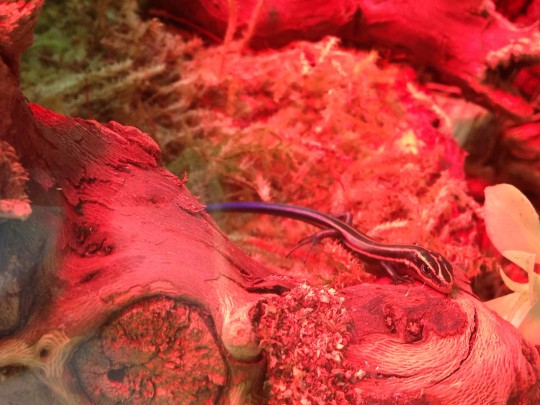
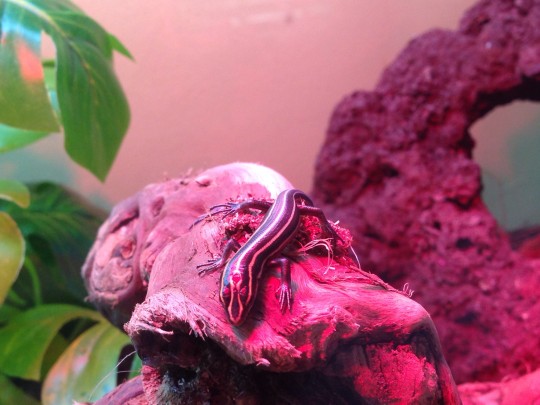
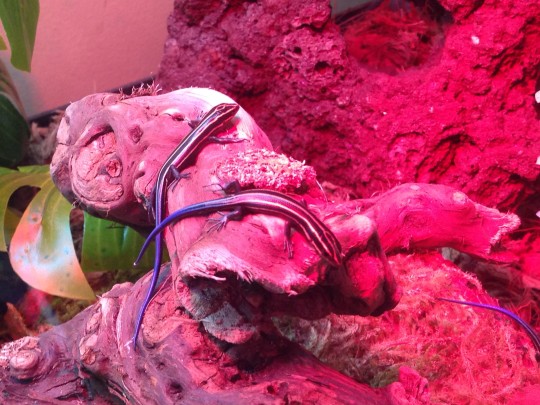
Day 6 of lizards and they are alive and well! They’ve taken a liking to the new heat lamp and have been scuttling around there all day. I even saw one eat a cricket!
Even the smallest of the bunch was enjoying himself in the warmth 🙂
I will continue to take care of them until it comes time to release them back to their natural habitat. I’ll keep you all updated. It’s such a strange and wonderful learning experience 🙂






 Urocyon's Jaunts 2.0
You must be logged in to post a comment.