Yep! It’s called osteochondrodysplasia. That super cute ear fold is a direct result of a cartilage malfunction. Which would be fine if it ONLY affected cartilage in the ear, but it doesn’t. It affects cartilage development throughout the body, causing severe defects in the limb bones and arthritis. It can be extremely painful for the cat. I’ve personally seen cases of scottish fold kittens with ingrown claws because they literally can’t use their paws properly.
There are scottish folds WITHOUT this defect; straight-eared Scottish folds exist and they live perfectly fine lives. They keep the super cute round face shape of traditional folds, but have normal ears.
a famous example of a Scottish Straight is Maru the box cat!
For anyone not so familiar with cat behavior, this cat is out of its mind excited to do this. It’s much more rare for cars to wag their tails but it means the same as it does when a dog does it. This cat is curious and proud and playing. It keeps looking at its owner too, like “LOOK AT ME, DAD” and it’s so rare to get videos of cats this happy. This is fucking rad
Nope.. wagging tails means anger or irritation in cat body language.
hey y’all, hope you don’t mind me stepping in!
you’re both right 🙂 a wagging tail means the cat is highly stimulated (think coiled spring, ready to go off). depending on the situation, this can be interpreted differently – just like people can smile nervously at job interviews vs. happily grin at friends.
in most cases, it’s safe to interpret overstimulation as ‘you’re doing something to amp up the cat & it wants you to stop’ (ex. unwanted petting). it should be seen as a warning; all that pent-up energy COULD be released as a swat or bite.
BUT in this case, that tail-wagging ‘frustration’ is the stimulation that comes from problem-solving (where can I jump? is it safe to go here?) and the excitement of play. it’s good to be wary of ‘cute’ animals vids, but this seems like an unproblematic video!
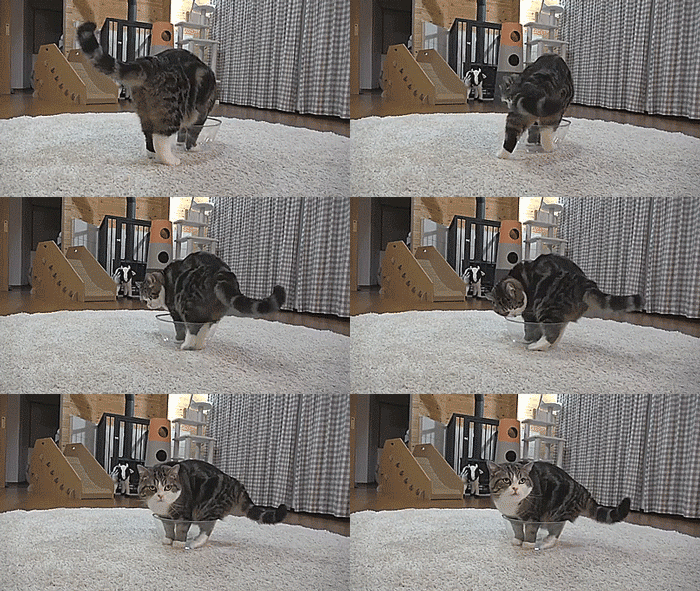
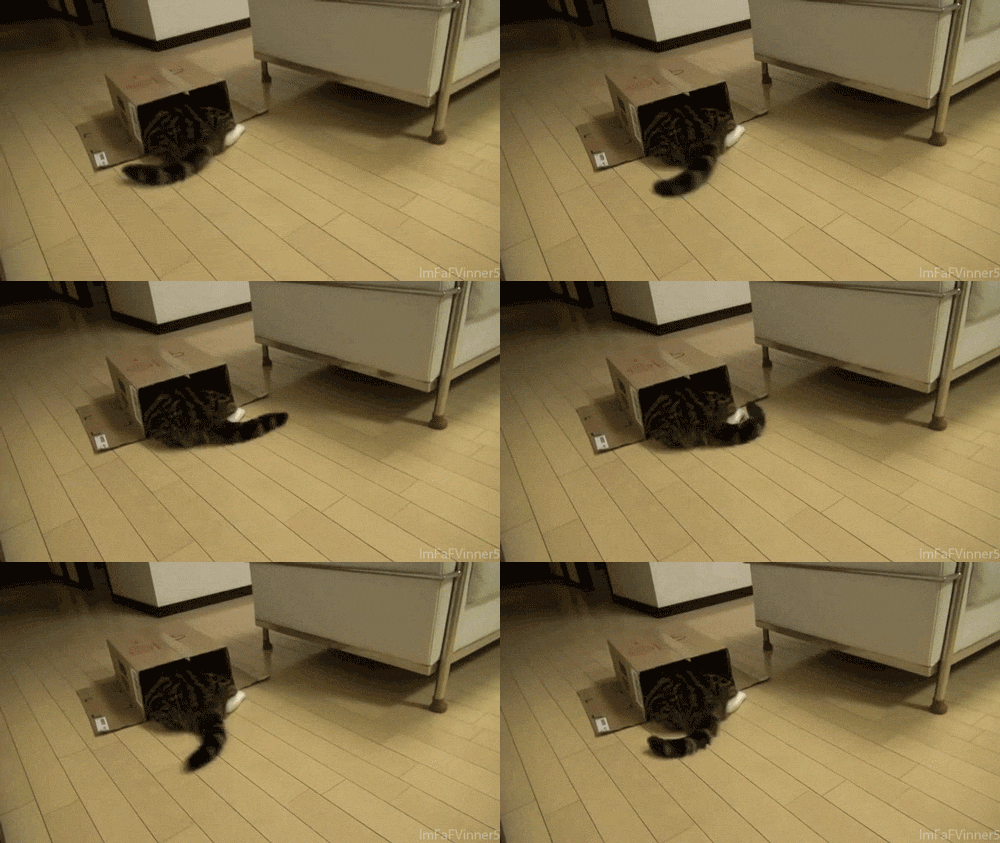
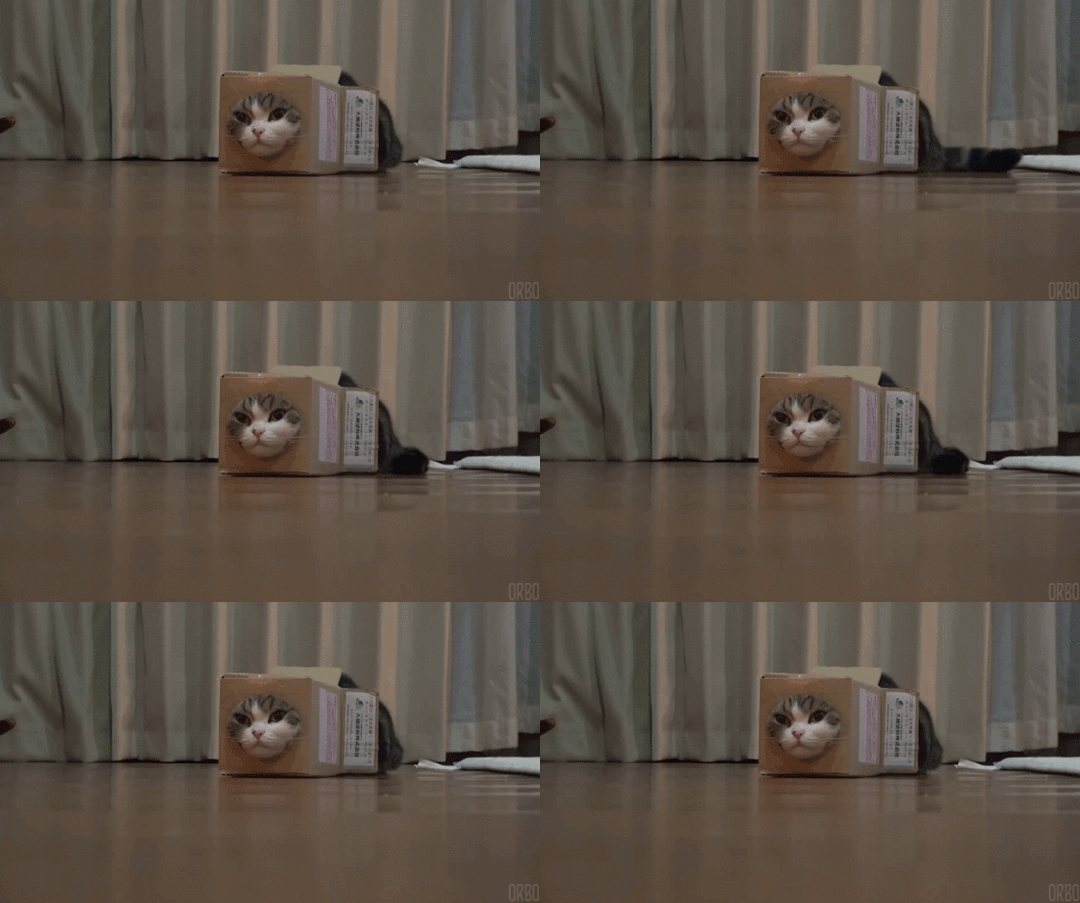
I’d like to add to this–just look at world-famous box-loving cat, Maru, who wags his tail every time he stuffs his body into a box or other small object. He’s clearly not about to attack the person behind the camera! It’s definitely based on stimulation, but more to the point of “ahhh FINALLY I’ve gotten into the small space, now how do I get the rest of me inside”:
i love everything about cats ever always
yep! cats also use their tail for balance which could be why the cat in the video is a bit stiff with their tail movements here and there!
cheetahs and leopards are a huge example of this where they both use their tails to help either chase prey (torque vs force momentum in cheetahs) or to help balance in trees (leopards)


 Urocyon's Jaunts 2.0
You must be logged in to post a comment.