On Nov. 17, 1991, a full-page ad in The New York Times featured the names of 1,600 black women who were passionately opposed to Supreme Court nominee Clarence Thomas and expressed their support of Anita Hill, who the women felt had been “maligned and castigated for daring to speak publicly of her own experience of sexual abuse.”
Today, as similar debate rages around the potential confirmation of Donald Trump nominee Brett Kavanaugh to the Supreme Court amid allegations of sexual assault and lewd behavior in Kavanaugh’s past, a nearly identical ad has appeared in the same newspaper—this time featuring the names of 1,600 men who support Kavanaugh’s primary accuser, Dr. Christine Blasey Ford.
Crowdfunded through more than $134,000 contributed by nearly 3,000 donors,the ad was organized by several organizations and companies, including Godfrey Dadich Partners, which designed the ad, and ColorBox Industries, which created the digital assets.
“For generations, men have taught boys to disrespect girls,” says W. Kamau Bell, a signer of the ad and host of CNN’s United Shades of America with W. Kamau Bell. “Worst of all, boys have been taught that it’s ‘manly’ to disrespect women. Then those boys grow up and teach the next generation the same thing, and the cycle continues. Right now, men who know that is a toxic environment for all have to speak up, believe women, and break the cycle.”
It breaks my heart that there are actual teenagers beating themselves up over not having sex. Don’t even worry about that shit just make friends ffs
He was only 17.
“I always felt that there was something wrong with me because all these other people were having sex and getting in relationships and I couldn’t,” he told HuffPost in a series of interviews.
We really need to start telling teenage boys and young men more that not having sex or relationships in your teens even though you want to is an extremely normal experience
“What incels want is extremely limited and specific: they want unattractive, uncouth, and unpleasant misogynists to be able to have sex on demand with young, beautiful women. They believe that this is a natural right. It is men, not women, who have shaped the contours of the incel predicament. It is male power, not female power, that has chained all of human society to the idea that women are decorative sexual objects, and that male worth is measured by how good-looking a woman they acquire.”
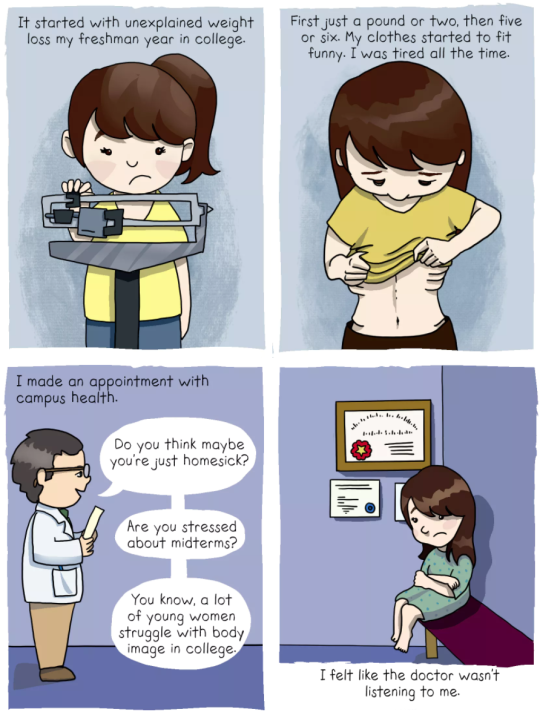
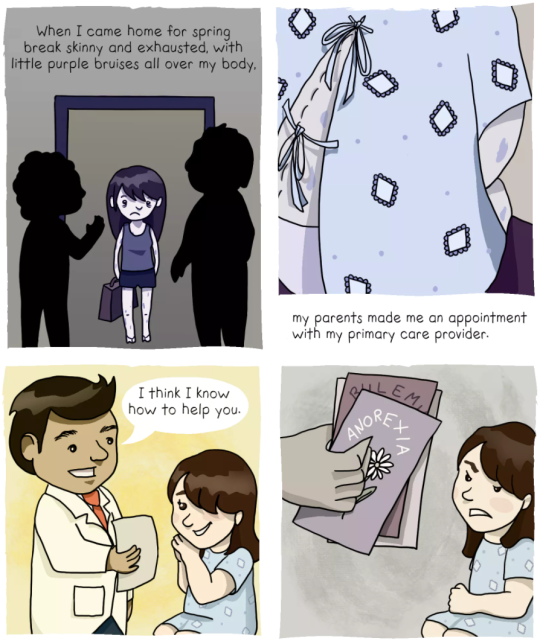
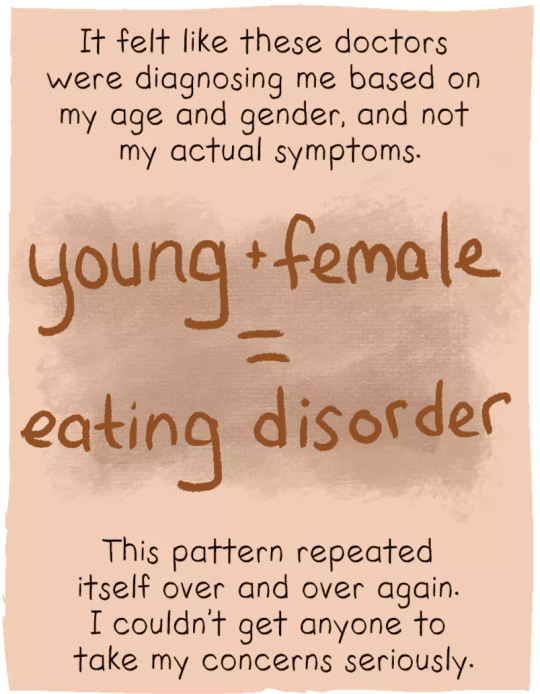
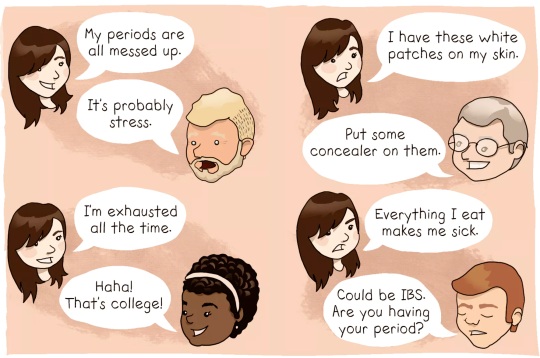
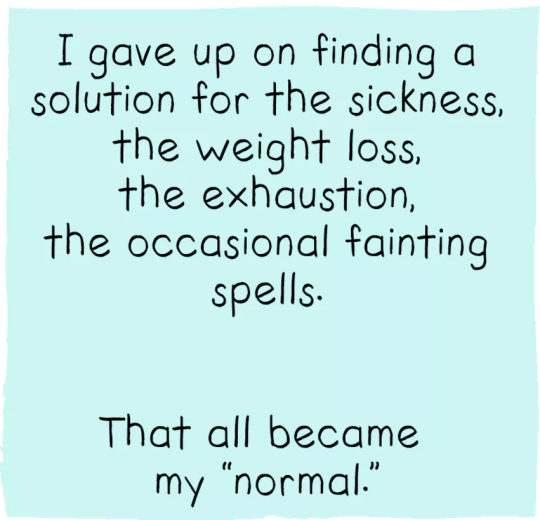
CFS is a poorly understood disease that doctors don’t take very seriously; often they tell you that it’s all in your head or that you have depression. It is more prominent in DFAB people but we don’t know why.
The diagnosis process is one of ruling everything else out so it’s really hard, time intensive and costly to get a formal diagnosis.
Other co-morbid things that often pop up with CFS: fibromyalgia, IBS, and migraines.
I totally understand that this tweet is just a joke and that it’s Not That Deep but it does downplay the fight hundreds of thousands of people wage every day to get their doctors to listen to them, take them seriously, and actively do research. The woman featured in the screencap, Jen Brea, made a documentary called Unrest about her experience with CFS, and is one of the leaders of the movement to make medical professionals take us seriously & to raise awareness. Unrest is currently on Netflix, if you’re interested in watching it.
Disability & chronic illness activism doesn’t get a lot of recognition or support from able bodied people so it would be cool if everyone could pitch in and at least signal boost articles like this or educate themselves and their friends and families instead of making jokes like this. Thanks 👋🏻
“Pine Ridge Indian Reservation, S.D. ― Dominique Amiotte, 17, always makes sure to keep a few extra tampons in her locker. It’s not much, but it’s enough to encourage at least some of her struggling friends to come to school when they have their periods.
About half of Amiotte’s girlfriends can’t afford tampons or sanitary pads. As a result, when they menstruate, they’ll skip school for as long as a week. This can lead them to fall behind in class, contributing to the already abysmal graduation rates on the Pine Ridge Indian Reservation. There are no official records on how many of the young women at the reservation’s 13 schools have felt the consequences of this issue, but individuals we spoke to say it’s an inescapable part of everyday life.
“It makes me angry,” Amiotte told HuffPost unflinchingly while seated in an empty classroom at the Crazy Horse School, where there are 70 girls enrolled in middle or high school classes.”



 Urocyon's Jaunts 2.0
You must be logged in to post a comment.