Mom and baby West Indian manatees in Three Sisters Springs, Florida. James R.D. Scott / Getty Images
Excerpt:
2018 has not been a good year for Florida’s iconic manatees. A total of 540 sea cows have died in the last eight months, surpassing last year’s total of 538 deaths, according to figures posted Monday by Public Employees for Environmental Responsibility (PEER).
The figure will likely climb higher before the year’s end amid the state’s ongoing toxic algae crisis. The red tide in the state’s southwest is the known or suspected cause of death for 97 manatees as of Aug. 12, the Florida Fish & Wildlife Conservation Commission recently reported.
Combined with the winter cold spell, which claimed 69 manatees, more than 10 percent of the state’s estimated manatee population of around 6,300 individuals could be wiped out this year, PEER noted.
The 540 reported deaths is also the second highest total in a decade. The deadliest year on record was 2013, when 830 Florida manatees perished. A third of those deaths were also linked to red tide.
Other threats to the gentle giants include blue-green algal blooms along Florida’s east coast as well as boat strikes, which resulted in 75 manatee deaths, according to Save the Manatee Club.
“Florida’s manatees have no defense against this ecological disaster,” said PEER Executive Director Jeff Ruch in a statement, noting that red tides and algal blooms poison both manatees and their food supplies. “Florida’s steadily declining water quality is a death warrant for the manatee.”
Last year, the West Indian manatee was downlisted from “endangered” to “threatened” by the U.S. Fish and Wildlife Service (FWS). Conservationists felt that the downgrade came too soon.
“We believe this is a devastating blow to manatees,” Patrick Rose, executive director of Save the Manatee Club, said in a statement then. “A federal reclassification at this time will seriously undermine the chances of securing the manatee’s long-term survival. With the new federal administration threatening to cut 75 percent of regulations, including those that protect our wildlife and air and water quality, the move to downlist manatees can only be seen as a political one.”
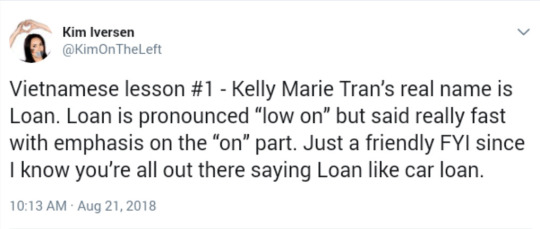
I am going to nitpick a little because I’m annoying and can’t leave things alone lol . A better way might be low-ah-n. Regional accents will affect the prominence of the a sound, but I’ve never really heard it pronounced “low-on”.
the reason these exist (iirc) is because peppa pig is banned in china for “promoting gangster attitudes”: peppa was popular (for whatever reason) with “shehuiren” (anti-establishment internet users), who made a lot of memes involving peppa and even got tattoos of her because it’s funny. the result of banning peppa is that shehuiren-types liked peppa even more afterwards, and now she’s a bit of a counterculture symbol in china. hence these shirts.
Winnie the Pooh is also a big counter culture symbol which is why the new Christopher Robin movie is banned in China.
Because China bans a significant number of political terms those in the country who wish to have political discussions, especially discussions that are critical of the government have to get very creative.
During the anniversary week of the Tienanmen Square massacre China will even ban searches for “this week” “today” or “tomorrow” so people can’t make even the vaguest references to it. In 2013 Chinese activists designated the term “big rubber duck” to mean Tienanmen Square. Within days “big rubber duck” was also a banned term. (X)
Chinese activism often looks funny or weird or wild, but it’s because the activists have to get seriously creative in order to have any voice at all.




 Urocyon's Jaunts 2.0
You must be logged in to post a comment.