there’s a debate on here right now that goes like this:
“we should strike on election day!” “but it won’t do anything.” “but historically strikes had power!”
yes. yes they did. but there’s a slight difference between then and now.
think about it. mill and factory workers in the industrial revolution worked longer hours for less pay and no benefits, and they needed those jobs to survive. why would they strike, when they had so much to lose?
they had a fucking strike fund.
why are people so afraid of striking? because if you’re in poverty, even taking a day off of work is a day without getting paid, and when you have a family to provide for, the thought of being without even those wages is terrifying. how do you alleviate that fear? you let them know that there’s a union-driven safety net. everyone contributes to the fund with their dues, and everyone draws from it according to their basic needs. sure, the funds won’t last forever, but if you plan well and keep it maintained, that gives you more bargaining power. it’s not the employers waiting to starve you out, it’s a game of chicken: your dwindling funds vs. their dwindling profits, who decides it’s not worth it first?
calling for a nationwide strike doesn’t do that because there is no safety net. you’re effectively only asking the people who can afford to take time off to strike, and ignoring everyone else. and if you really want your protests to have power, you can’t afford to ignore all those people.
addendum: this is why it’s called ORGANIZING. it takes time and energy to plan effective resistance. casting your idea out into the abyss of the internet and hoping that people take you up on it without anything to back you up is like calling for the montgomery bus boycott without having any carpools or shoe drives.
I think this particular disconnect with reality stems mostly from bad education.
In school, when I learned about the whole muckraking movement and the civil rights movement, and the variety of boycotts and protests that took place alongside them, teachers mysteriously neglected to add the parts about how people funded these things. It really made protests look like magic, like they just happened and grew naturally, instead of being carefully planned to make sure they didn’t ultimately hurt the people they’re trying to help.
So now we have a bunch of 20-somethings who were never really informed about what a strike is or how it works. They just know “strikes get things done sometimes occassionally” and/or “strikes are when people stand outside their workplaces with signs and yell at everyone and make everything a massive inconvenience”.
So when they feel the need to strike, either they have no idea how to do it, or they don’t want to because they’ve only learned anti-union propaganda and they don’t believe striking works.
So, convenient lapse in modern education or was leaving out key parts of union history intentional? You decide.
in movies they always have characters sharing an intimate moment and saying “tell me something you’ve never told anyone before” and some deeply moving personal story full of emotion and heartache comes out of it and the characters, who have never been in talk therapy in their lives, bond around their secrets
the fuck would I have to say? “for about six months in high school I wanted to be a mime”? like shit son all the important stuff I’ve either shared in therapy or thoroughly repressed. and now I just shared the mime thing so can’t use that.
@kingofherrings – Just realized with your comment that I didn’t think to tag that one, just in case. Sorry about that. Went ahead and did that, because it certainly could be interpreted as you suggested.
Another list of some words snagged into English just from Virginia/Carolina Algonquian languages is at the bottom of the page here. (Ran across that looking for a reference link.)
I still find the usage difference a little jarring, with horns hooting instead of honking in British English.
Just realizing I have no idea what geese did before English speakers encountered cohonk elsewhere. (So yeah, geese are basically “honkers” in Powhatan that I know of.)
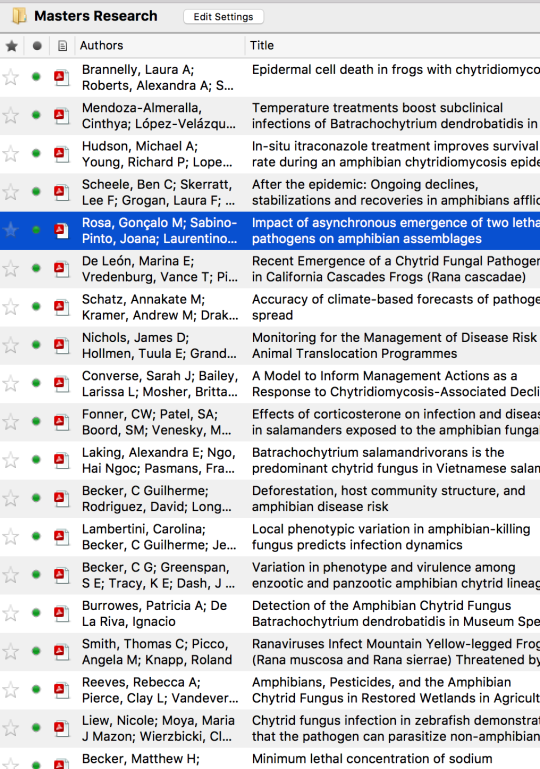
if you read in a frog paper “specimen was released in the field immediately after capture” chances are very good that what it actually means is
“i dropped the damn frog and despite the fact that we fell all over each other no one could recapture it”
sometimes when i am sad i go read through the tags on this post, because they are 70% other biologists saying things like “AND ALSO FUCK FIELD MICE” and “THAT CRAB ALMOST BROKE MY FINGER” and I am reassured that I am not the only one who has bobbled a wood frog right into their cleavage.
plus six or seven people who just….can’t figure out what a frog paper could possibly be. (guys it’s…a scientific paper. about frogs.)
and this one
which made me laugh despairingly because i mean
bro you don’t even know.
what is the code entomologists use for “i stepped on it, i’m so sorry, it was dark out and the specimen was very small”
“Impromptu dissection was performed under less-than-optimal lighting conditions.”
‘impromptu dissection’ is an alarming phrase in any context and i thank you for it





 Urocyon's Jaunts 2.0
You must be logged in to post a comment.